African universities driving local development: lessons from the IMPACT HE Forum in Nairobi
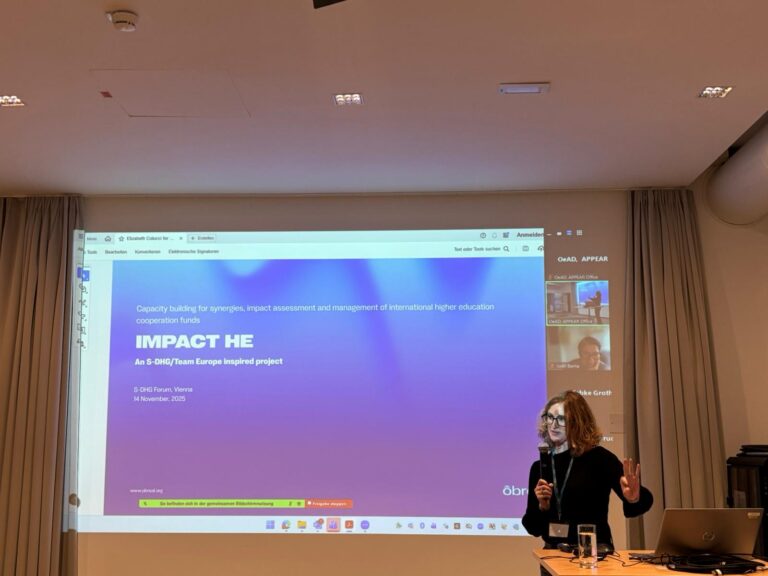
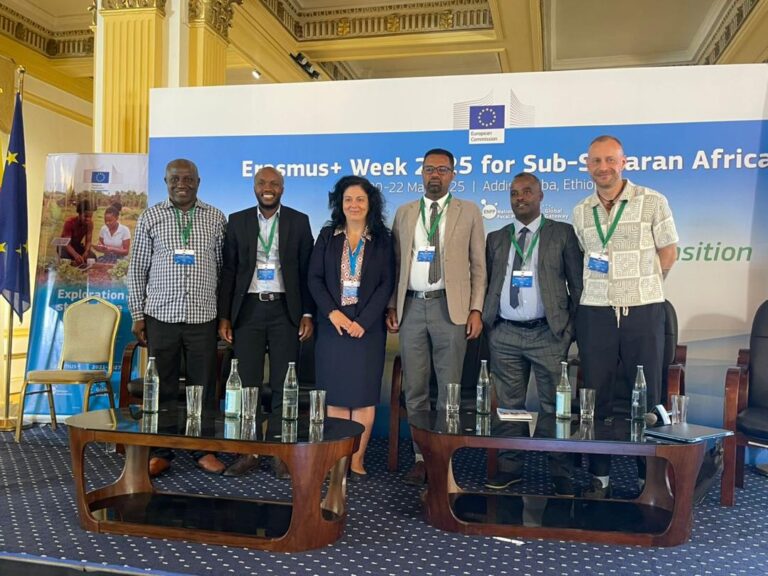
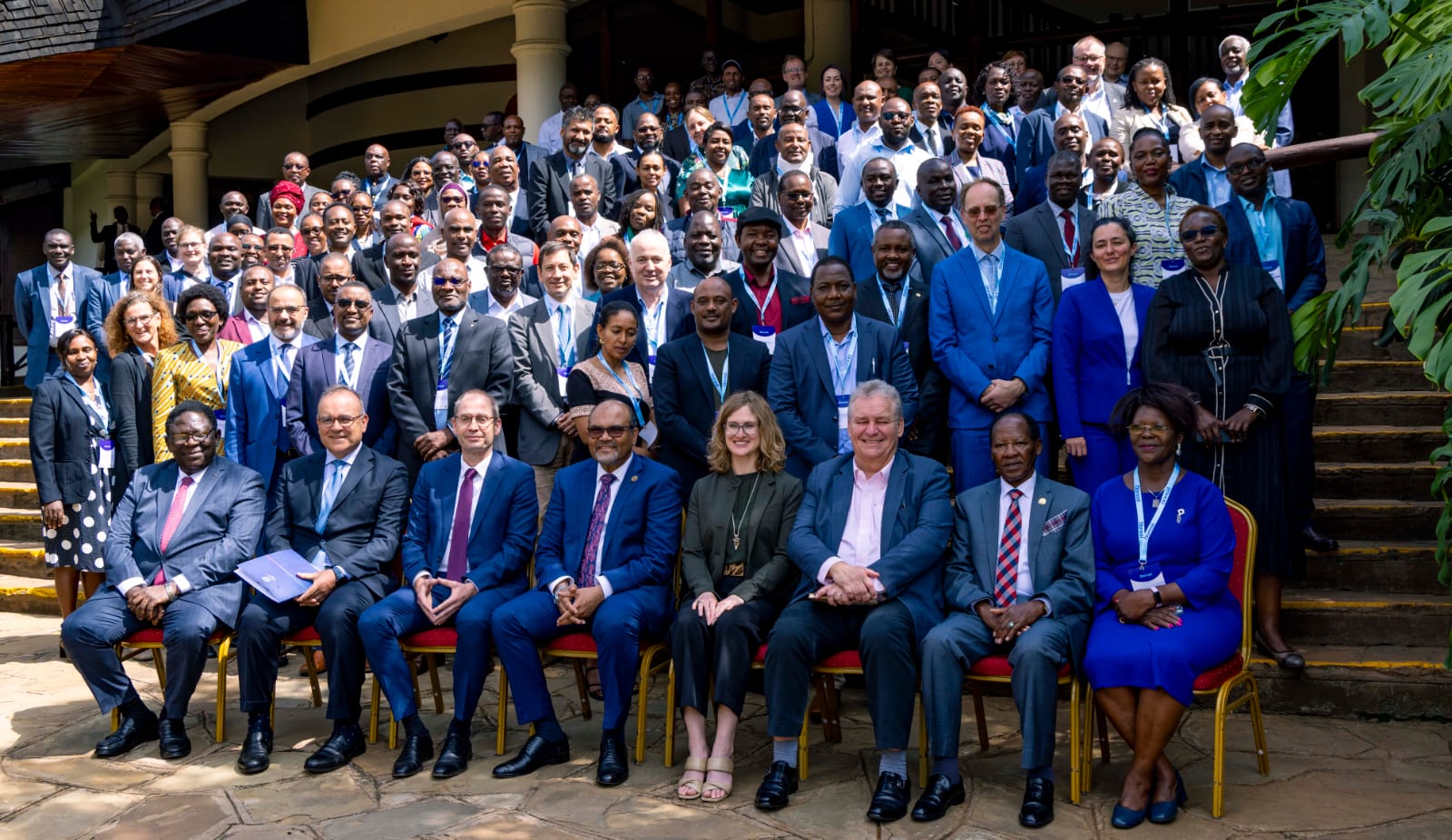
The IMPACT HE Leadership & Stakeholder Forum brought together university leaders, policymakers and funding agencies from across Africa and Europe in Nairobi on 6–7 May, around a shared conviction: universities are more than academic institutions. They are agents of change.
More than 100 participants representing 61 institutions from 13 countries gathered for a forum structured to ensure that lived institutional experience fed directly into strategic discussion. Targeted capacity-building sessions for IMPACT HE partner universities in Kenya and Ethiopia ran alongside high-level policy debates. A design that reflected one of the project’s core commitments: that ownership of international cooperation begins at the institutional level.
Before the high-level forum opened, IMPACT HE convened its Training Workshop at JKUAT’s campus in Juja on 4 and 5 May. Fifty participants from partner universities in Kenya and Ethiopia worked through seven thematic modules covering the full lifecycle of international cooperation projects, from proposal writing and budget preparation to legal frameworks, project management and dissemination. The sessions combined presentations with case studies and peer exchange, and were designed so that the staff responsible for managing international cooperation on the ground arrived at the Leadership Forum as active participants, not observers.
A new perspective on international cooperation
International cooperation in higher education is undergoing a fundamental reorientation. Universities are increasingly expected to act not just as knowledge producers, but as active contributors to national development strategies, public service delivery, and regional resilience. IMPACT HE was created precisely to support this shift, helping higher education institutions and ministries in Kenya and Ethiopia strengthen their ownership and management of international project funds, and demonstrate the societal impact of that cooperation in meaningful, localized ways.
The Nairobi forum brought that work into sharp focus. Opening remarks from Prof. Shaukat Abdulrazak, Principal Secretary at Kenya’s State Department for Science Research and Innovation, and from the EU Delegation set the policy stakes clearly. Keynotes from Prof. Vasey Mwaja of the African Scientific Research and Innovation Council and Prof. Emnet Tadesse Woldegeorgis of the University of Johannesburg framed the broader argument: higher education is an economic and social development agent, and its role in international cooperation frameworks needs to reflect that.
What made the forum distinctive was the range of perspectives it gathered. Project partner universities (including Jimma University, JOOUST and AASTU) shared their experiences directly alongside representatives of major continental associations (AAU, SARUA, IUCEA, ARUA, CAMES) and regional policy bodies including the East African Community, SADC and the African Union Commission.
This is what IMPACT HE’s approach to partnership looks like in practice: not a conversation between two sides, but a multilateral space where policy, funding and academic experience inform each other across regions and sectors.